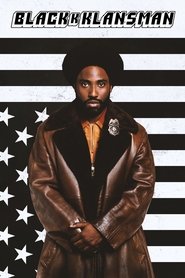
BlacKkKlansman is a 2018 movie directed by Spike Lee and based on a real-life story. It follows Ron Stallworth, the first African-American detective to serve in the Colorado Springs Police Department. Stallworth infiltrates the local chapter of the Ku Klux Klan with the help of his partner Flip Zimmerman, who poses as a white supremacist. They manage to expose and thwart an attack planned by the Klan members. The movie uses humor and satire to tackle issues of racism and police brutality in America, drawing parallels between the past and present-day events. BlacKkKlansman received critical acclaim for its powerful message and exceptional performances from the cast, including John David Washington, Adam Driver, and Topher Grace.
CLICK HERE⭳⭳⭳🎬_Watch BlacKkKlansman 2018 English Subtitles_
Review
As a behavioral economist, I’m always fascinated by the power of storytelling and how it can shape our perceptions and attitudes towards certain issues. That’s why I was particularly intrigued by Spike Lee’s latest film, “BlacKkKlansman,” which is based on the true story of Ron Stallworth, a black police officer who infiltrated the Ku Klux Klan in the 1970s.
The film begins with a powerful scene from “Gone with the Wind” that serves as both a commentary on Hollywood’s romanticized portrayal of slavery and an introduction to Stallworth’s character. It then takes us on a rollercoaster ride of suspense, humor, and social commentary as Stallworth teams up with a white Jewish colleague, Flip Zimmerman, to gather intelligence on the Klan’s plans and members.
At its core, “BlacKkKlansman” is a story about race relations in America, both past and present. It exposes the insidious nature of white supremacy and racism while also celebrating the courage and perseverance of those who fight against it. Through its characters and dialogue, it highlights the complex intersections of identity politics, from Stallworth’s struggle as a black man in law enforcement to Zimmerman’s awakening to his own Jewish heritage.
The casting for this film is spot-on, with John David Washington delivering an impressive performance as Stallworth. He exudes a quiet confidence that captures Stallworth’s determination without resorting to caricature or stereotype. Adam Driver also shines as Zimmerman, portraying his character’s inner conflict with nuance and subtlety.
One particularly memorable scene involves David Duke (played brilliantly by Topher Grace), leader of the KKK at that time. In it, he discusses his vision for America with Zimmerman while completely unaware that he is actually talking to a Jewish man. The tension in this scene is palpable, as we see how easily Duke can slip into polite conversation while harboring such hateful views.
The film’s score is also worth mentioning, as it seamlessly blends together iconic protest anthems with contemporary tracks. Lee’s use of music throughout the film is both powerful and effective, evoking a sense of nostalgia for the Civil Rights era while also drawing parallels to current events.
From a filmmaking standpoint, “BlacKkKlansman” is a masterful work of art. Lee uses creative camera angles, lighting, and set design to enhance the emotion and impact of each scene. The editing is also tight and precise, creating a sense of urgency and momentum that keeps the audience on the edge of their seats.
Despite its critical acclaim and box office success, “BlacKkKlansman” has had its fair share of controversy and criticism. Some argue that it simplifies complex issues or fails to fully explore certain themes. Others question its portrayal of law enforcement or its accuracy in certain historical details.
However, I believe that these critiques miss the larger message and impact of the film. “BlacKkKlansman” isn’t just about exposing racism or celebrating diversity; it’s about challenging us to confront our own biases and prejudices. It makes us uncomfortable in all the right ways, forcing us to question our assumptions about race, identity, and justice.
Overall, I thought “BlacKkKlansman” was a stunning achievement in storytelling and filmmaking. It’s a must-see for anyone interested in social justice or historical dramas that resonate with contemporary issues. As Spike Lee himself said at its Cannes premiere: “The world is in peril…we have to wake up.” And indeed we do – this film is an urgent wake-up call for all of us.
Technical Data
- Runtime : 135
- Release : 2018-08-09
- Genre : Comedy, Crime, Drama, History
- Cast : John David Washington as Ron Stallworth, Adam Driver as Flip Zimmerman, Topher Grace as David Duke, Laura Harrier as Patrice Dumas, Alec Baldwin as Dr. Kennebrew Beauregard
- Crew : Sean McKittrick as Producer, Spike Lee as Screenplay, Spike Lee as Director, Spike Lee as Producer, Terence Blanchard as Original Music Composer
- Popularity 19.124
- Budget : $15,000,000
- Revenue : $93,400,823
- Company : Focus Features, Legendary Pictures, Perfect World Pictures
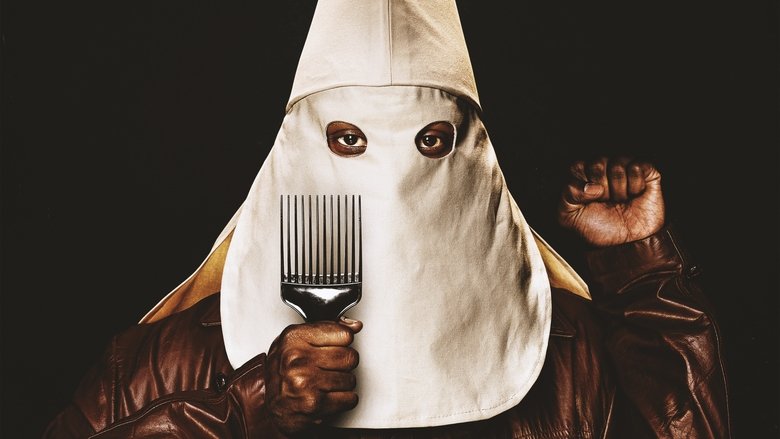
- Summary : Colorado Springs, late 1970s. Ron Stallworth, an African American police officer, and Flip Zimmerman, his Jewish colleague, run an undercover operation to infiltrate the Ku Klux Klan.
- Tagline : Infiltrate hate.
